
Stranded Energy and Flared Gas
Bitcoin mining has a unique property: it can monetize energy that would otherwise be wasted. This creates economic value from stranded energy sources like flared natural gas, excess hydroelectric capacity, and curtailed renewable generation.
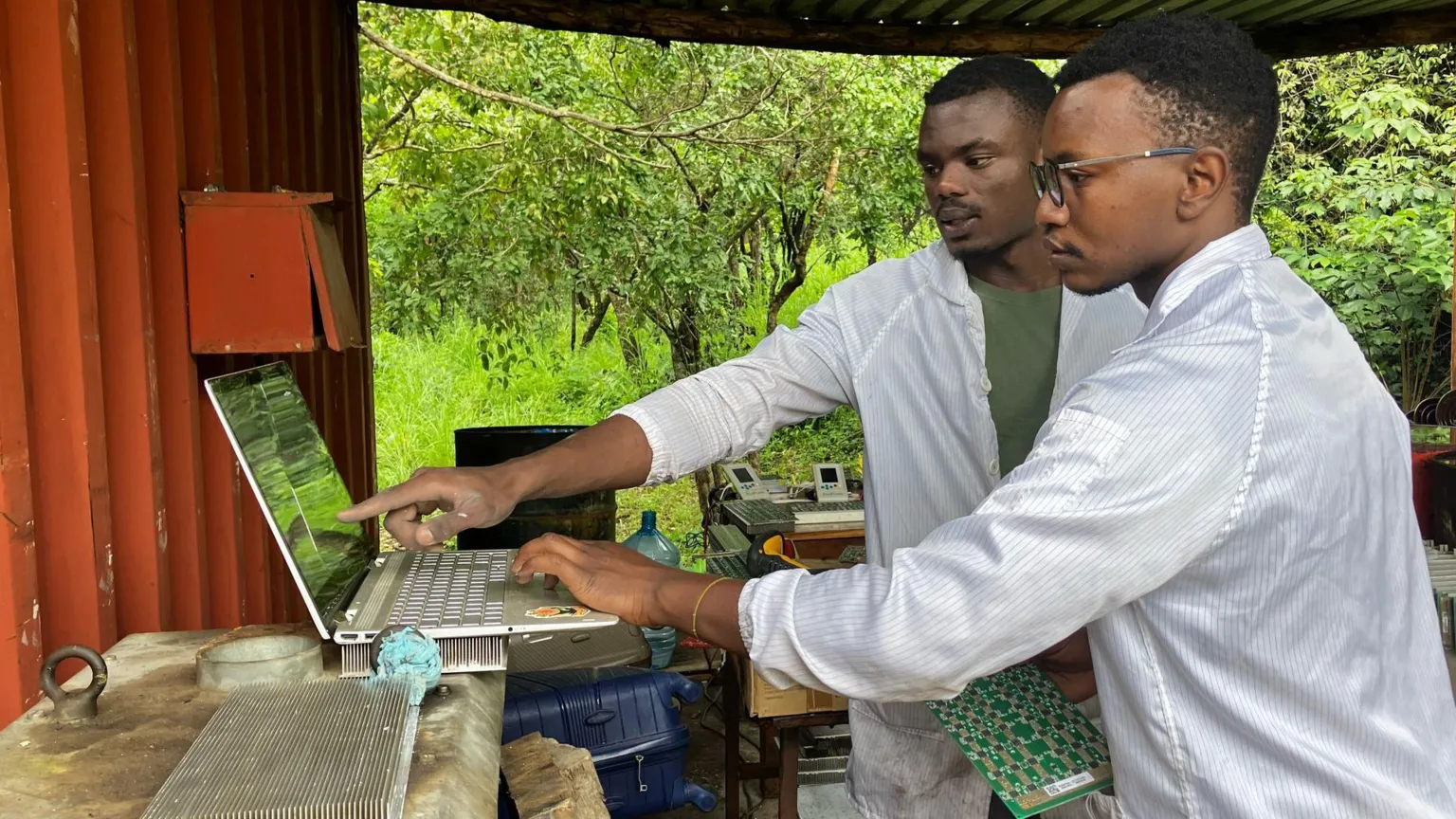
Bitcoin mine in remote Zambia
What is Stranded Energy?
Stranded energy is energy that is produced but cannot be economically used, stored, or transmitted. Common sources include:
- Flared natural gas: Gas produced at oil wells that's burned off because it's not economical to transport
- Excess renewable capacity: Solar and wind generation that exceeds grid demand
- Hydroelectric curtailment: Excess generation when demand is low
- Off-grid renewable: Solar or wind in remote locations without transmission infrastructure
Traditional energy consumers need:
- Reliable demand: Consistent, predictable consumption
- Location flexibility: Ability to connect to transmission infrastructure
- Economic viability: Sufficient value to justify infrastructure investment
Bitcoin mining needs none of these. Miners can:
- Operate anywhere: No need for transmission infrastructure
- Turn on/off instantly: Respond to energy availability in real-time
- Monetize any amount: Even small amounts of energy can be profitable
- Use waste energy: Energy that has no other economic use
This makes Bitcoin mining uniquely suited to monetize stranded energy.
Flared Natural Gas
The Problem
Oil production often produces natural gas as a byproduct. In many locations, this gas:
- Has no pipeline infrastructure to transport it
- Is too expensive to capture and process
- Must be flared (burned) to prevent dangerous buildup
- Represents wasted energy and environmental impact
The World Bank estimates that over 140 billion cubic meters of natural gas are flared annually worldwide, enough to power entire countries.
The Solution
Bitcoin miners can be deployed directly at oil fields to use flared gas:
- Capture the gas: Instead of flaring, capture the natural gas
- Generate electricity: Use generators to convert gas to electricity
- Mine Bitcoin: Use the electricity to power mining equipment
- Create value: Turn waste into economic value
This approach:
- Reduces flaring: Less gas is burned, reducing environmental impact
- Creates revenue: Oil producers earn money from otherwise wasted gas
- Secures Bitcoin: Provides hash rate to the Bitcoin network
- Is economically viable: Even small amounts of gas can be profitable
Case Studies
Crusoe Energy has deployed Bitcoin mining operations at oil fields across the United States, converting flared gas into Bitcoin mining. Their operations:
- Reduce flaring by capturing and using gas that would be burned
- Provide revenue to oil producers
- Operate in remote locations without grid infrastructure
Upstream Data provides similar services, deploying mobile mining units at oil production sites to monetize flared gas.
Excess Renewable Energy
The Problem
Renewable energy sources like solar and wind have variable output:
- Solar: Generates during daylight hours, peak at midday
- Wind: Generates when wind is blowing, often at night
- Grid demand: Doesn't always match generation patterns
When generation exceeds demand:
- Curtailment: Renewable generators must reduce output
- Wasted energy: Clean energy is produced but not used
- Economic loss: Generators lose revenue from curtailed generation
- Storage limitations: Batteries are expensive and have capacity limits
The Solution
Bitcoin miners can consume excess renewable energy:
- Grid priority: Renewable energy serves the grid first
- Excess mining: When generation exceeds demand, miners consume the excess
- Instant response: Miners can turn on/off instantly as energy becomes available
- Revenue generation: Renewable operators earn revenue from otherwise wasted energy
This creates a symbiotic relationship:
- Renewable operators: Earn revenue from excess generation
- Bitcoin network: Gets clean energy hash rate
- Grid stability: Helps balance supply and demand
- Environmental benefit: More renewable energy is utilized
Case Studies
Hydroelectric plants in regions with excess capacity have deployed Bitcoin mining to monetize energy that would otherwise be curtailed. During low-demand periods, excess generation powers mining operations.
Solar farms in remote locations without transmission infrastructure use Bitcoin mining to monetize generation that can't reach the grid.
Environmental Benefits
Bitcoin mining using stranded energy has several environmental benefits:
Reducing Waste
- Less flaring: Using flared gas reduces methane emissions
- More renewable utilization: Excess renewable energy is used instead of curtailed
- Efficient energy use: Energy that would be wasted creates value
Economic Incentives
- Renewable development: Revenue from mining can fund renewable energy projects
- Grid stability: Mining can help balance supply and demand
- Energy innovation: Creates economic incentives for energy innovation
Criticisms and Responses
Critics argue that Bitcoin mining incentivizes energy production. However:
- Stranded energy exists regardless: Flaring and curtailment happen with or without Bitcoin
- Bitcoin uses waste: Mining stranded energy doesn't increase total energy production
- Grid priority: Renewable energy serves the grid first; mining uses excess
For more on the energy debate, see Energy Consumption.
Economic Model
Bitcoin mining with stranded energy creates a unique economic model:
For Energy Producers
- New revenue stream: Monetize energy that has no other use
- Reduced waste: Less flaring, less curtailment
- Flexible operations: Miners can operate when energy is available
- No infrastructure needed: Miners can be deployed anywhere
For Bitcoin Miners
- Low-cost energy: Stranded energy is often very cheap or free
- Competitive advantage: Lower energy costs improve profitability
- Sustainable operations: Using waste energy addresses environmental concerns
- Diverse locations: Access to energy sources not available to traditional consumers
For the Bitcoin Network
- Hash rate security: More hash rate makes the network more secure
- Geographic distribution: Mining in diverse locations improves decentralization
- Clean energy: More hash rate from renewable sources
- Network resilience: Diverse energy sources improve network resilience
Challenges and Limitations
Technical Challenges
- Intermittent supply: Stranded energy may be intermittent
- Remote locations: Deploying and maintaining equipment in remote areas
- Scaling: Small amounts of energy may not justify mining operations
- Regulatory: Regulations vary by jurisdiction
Economic Challenges
- Bitcoin price volatility: Mining profitability depends on Bitcoin price
- Equipment costs: Mining hardware requires upfront investment
- Operational costs: Maintenance and operations in remote locations
- Energy price fluctuations: Energy costs may change over time
Solutions
- Modular deployment: Mobile mining units can be deployed quickly
- Flexible operations: Miners can turn on/off based on energy availability
- Partnerships: Energy producers and miners can form partnerships
- Technology improvements: More efficient mining hardware improves economics
Future Potential
The potential for Bitcoin mining to use stranded energy is significant:
- Flared gas: Billions of cubic meters of gas are flared annually
- Renewable curtailment: Growing renewable capacity increases curtailment
- Off-grid renewables: Remote renewable projects without transmission
- Energy storage: Mining can complement battery storage systems
As Bitcoin mining technology improves and energy infrastructure evolves, the opportunities to monetize stranded energy will continue to grow.
Related Topics
- Energy Consumption - The broader energy debate
- Proof-of-Work - How Bitcoin mining works
- Mining Economics - The economics of Bitcoin mining
- Monetary Properties - Why Bitcoin has value
Bitcoin mining's ability to monetize stranded energy demonstrates how Bitcoin creates value from resources that would otherwise be wasted. This economic model benefits energy producers, secures the Bitcoin network, and can reduce environmental waste.